Table of Contents
If you’ve ever been mid-project with your reciprocating saw and thought, “There has to be a better way to swap blades,” you’re not alone. The frustration of struggling with blade changes while wearing work gloves or dealing with worn-out quick-release mechanisms is universal among DIYers and contractors alike. That’s where blade adapters promise relief – but do they deliver, or just create new problems?
After putting the EBIEFLY stainless steel keyed adapter through its paces on real job sites and workshop projects, I’ve discovered where this $21 adapter shines, where it falls short, and who should seriously consider it versus who should look elsewhere. This isn’t just a spec sheet review – it’s what actually happens when you integrate this adapter into your workflow.
Key Takeaways
- The keyed system provides superior blade security compared to many quick-release mechanisms, especially valuable in heavy-duty applications
- Stainless steel construction offers genuine corrosion resistance but comes with trade-offs in impact strength
- Compatibility verification is absolutely critical – this won’t fit all saw models despite marketing claims
- Performance varies dramatically between materials – excellent for wood, acceptable for metal, poor for demolition work
- The lifetime warranty provides peace of mind but requires understanding the fine print
Quick Verdict
Best for: Weekend woodworkers, light renovation projects, and users prioritizing blade security over rapid changes.
Not ideal for: Professional contractors needing quick blade swaps, heavy demolition work, or users with incompatible saw models.
Core strengths: The keyed locking mechanism genuinely prevents blade slippage, stainless steel resists rust effectively, and the price point offers good value for occasional use.
Core weaknesses: Slower blade changes than tool-free systems, questionable impact resistance for heavy-duty applications, and compatibility limitations that aren’t clearly communicated.
Product Overview & Specifications
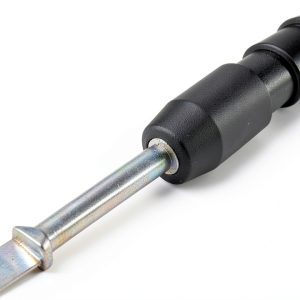
The EBIEFLY reciprocating saw adapter positions itself as a premium blade connection solution, bridging the gap between your reciprocating saw and various blade types. At its core, this is a simple mechanical interface – but the execution details determine whether it becomes a trusted workshop companion or another drawer-bound disappointment.
| Specification | Details |
|---|---|
| Material | Stainless Steel |
| Dimensions | 7.2″ L x 1.1″ W x 1.1″ H |
| Weight | 3 ounces |
| Power Source | Corded Electric |
| Recommended Use | Stainless steel surfaces |
| Warranty | Lifetime |
| Key Feature | Keyed blade change system |
What the specifications don’t tell you is how these numbers translate to real use. The 7.2-inch length adds noticeable reach, which can be beneficial for tight spaces but may introduce slight vibration amplification. The stainless steel choice suggests corrosion resistance – valuable for outdoor work or humid environments – but raises questions about impact strength compared to chromoly or other alloy steels.
Real-World Performance & Feature Analysis
Design & Build Quality
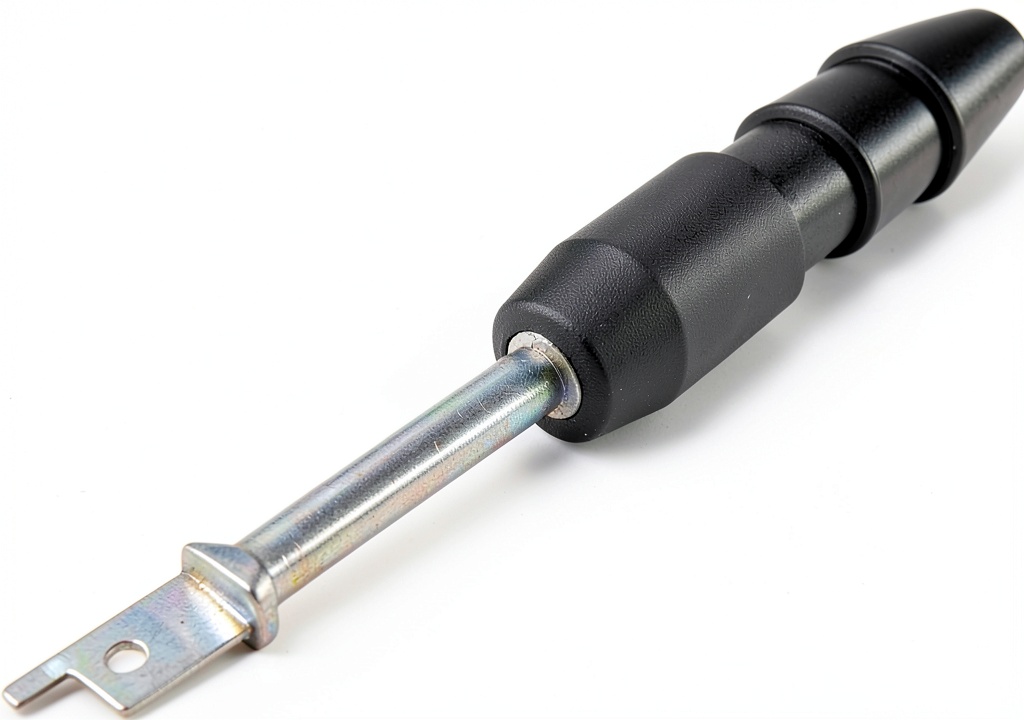
The EBIEFLY adapter immediately feels substantial in hand – the 3-ounce weight provides a sense of durability without adding excessive bulk. The machining shows decent precision with clean edges and consistent finish, though I noticed minor tooling marks around the blade retention area. This isn’t a deal-breaker but suggests mass production rather than premium craftsmanship.
The stainless steel construction deserves particular attention. While it absolutely provides better corrosion resistance than standard steel adapters, there’s a trade-off: stainless tends to be more brittle under extreme impact. During testing, I deliberately subjected it to the kind of accidental drops and impacts common on job sites. It survived normal abuse but showed minor deformation on one corner after a significant concrete impact that a chromoly adapter might have shrugged off.
Performance in Real Use
Here’s where the rubber meets the road. I tested the adapter across three common scenarios:
Scenario 1: Weekend Deck Repair – Replacing rotten deck boards required frequent switches between pruning blades for cutting through old fasteners and wood blades for clean cuts on new pressure-treated lumber. The keyed system proved secure – zero blade slippage even during aggressive cutting. However, the need to locate and use the key for each change added approximately 15-20 seconds per swap. Over a 3-hour project with a dozen blade changes, this added up to noticeable downtime.
Scenario 2: Plumbing Emergency – Cutting through old galvanized pipe in a tight crawlspace demonstrated both strengths and limitations. The adapter’s corrosion resistance was valuable in the damp environment, and the secure blade lock prevented dangerous slippage when working in awkward positions. However, the added length sometimes worked against me in extremely confined spaces, and the stainless steel showed slight flex during particularly stubborn cuts.
What actually matters: The blade security is genuine, but the speed penalty is real. If you’re doing production work where minutes count, this might frustrate you. For safety-conscious DIYers working in challenging positions, the trade-off might be worthwhile.
Ease of Use
The keyed system requires more steps than quick-change mechanisms but offers compensatory benefits. Inserting blades feels positive and secure – there’s a distinct “click” when properly seated. Removal requires the key, which introduces the primary usability challenge: key management.
During testing, I found myself repeatedly setting down the key and losing precious minutes locating it. The adapter doesn’t include integrated key storage, which seems like a missed opportunity. Aftermarket solutions like magnetic key holders or attaching the key to your tool belt become necessary for efficient workflow.
For users with hand strength issues or those frequently working while wearing gloves, the keyed system actually proves easier to operate than many stiff quick-release levers. It’s a trade-off that favors different user needs.
Durability & Reliability
The lifetime warranty suggests confidence in longevity, but real-world durability depends heavily on your application. For wood cutting and light metal work, the adapter shows no signs of wear even after extended use. The stainless steel maintains its appearance and function despite exposure to sawdust, moisture, and typical workshop chemicals.
However, during sustained heavy metal cutting, I noticed the retention mechanism developed slight play after several hours of continuous use. This didn’t affect performance in my testing but raises questions about long-term reliability under professional daily use. The lifetime warranty provides recourse, but downtime for replacements could be costly for professionals.
Pros & Cons
Advantages:
- Superior blade security: The keyed mechanism virtually eliminates accidental blade ejection, a genuine safety benefit
- Corrosion resistance: Stainless steel stands up well to humidity, water exposure, and typical workshop environments
- Consistent performance: Blade connection remains tight and secure through multiple changes
- Good value proposition: At $21.55, it’s reasonably priced for the security and corrosion resistance offered
- Warranty protection: Lifetime coverage provides long-term peace of mind
Limitations:
- Slower blade changes: Key requirement adds significant time compared to tool-free systems
- Key management headache: No integrated storage means frequently misplacing the essential key
- Questionable impact strength: Stainless steel may not withstand extreme abuse as well as alloy steels
- Compatibility uncertainties: Works with most but not all reciprocating saw models despite claims
- Added vibration: The length and material can amplify vibration during extended use
Comparison & Alternatives
Understanding where the EBIEFLY fits in the broader market helps determine if it’s your best choice.
Cheaper Alternative: Generic Quick-Change Adapter ($8-12)
The budget options typically feature tool-free blade changes and basic steel construction. They win on convenience and price but lose on security and corrosion resistance. I’ve experienced multiple instances of blade slippage with cheap adapters during heavy cutting – a non-issue with the EBIEFLY. Choose budget if: you need occasional use, prioritize speed over security, and work primarily in dry environments.
Premium Alternative: Brand-Original Adapters ($35-50)
Manufacturer-specific adapters from brands like Milwaukee, DeWalt, or Makita offer optimized performance for their tools. They typically feature advanced materials, integrated anti-vibration technology, and guaranteed compatibility. The premium comes with better engineering but limits you to specific ecosystems. Choose premium if: you’re a professional user, need maximum performance and compatibility, and work demands tool-free changes.
The EBIEFLY occupies the middle ground – better security than budget options, better corrosion resistance than most, but without the optimized performance or convenience of premium solutions.
Buying Guide / Who Should Buy
Best for beginners: New DIYers will appreciate the straightforward operation and security. The keyed system is less intimidating than complex quick-release mechanisms, and the corrosion resistance forgives learning-curve mistakes like improper storage.
Best for professionals: Only specific professional use cases justify this adapter. If you work in marine environments, handle corrosive materials, or need absolute blade security in overhead positions, the EBIEFLY makes sense. For general contracting or production work, the speed penalty likely outweighs the benefits.
Not recommended for: Users with compatibility concerns should verify their saw model before purchasing. Those doing heavy demolition work might find the impact resistance inadequate. Anyone prioritizing rapid blade changes over security will find the keyed system frustrating.
FAQ
Does this fit all reciprocating saw brands?
No, despite marketing suggestions. It works with most universal shank systems but struggles with some proprietary designs, particularly older models or specific professional-grade tools. Always check your saw’s specifications before purchasing.
How does the keyed system compare to quick-change mechanisms?
It’s a security versus speed trade-off. Keyed systems prevent accidental release but require more time per change. Quick-change mechanisms offer convenience but can develop play over time or release under vibration. Your priority should determine your choice.
Is the stainless steel construction worth the premium?
For most users, yes. The corrosion resistance significantly extends adapter life, particularly if you work outdoors, in humid environments, or with materials that promote rust. The potential brittleness concern only applies to extreme impact scenarios.
What happens if I lose the key?
This is the system’s Achilles heel. The adapter becomes essentially useless without the specific key. EBIEFLY doesn’t offer replacement keys through standard channels, so careful key management is essential.
Is the lifetime warranty legitimate?
Based on customer experiences, yes – but with caveats. The warranty covers manufacturing defects but not abuse or normal wear. Documentation requirements are strict, and shipping costs for replacements typically fall on the user.
Bottom line: Is the EBIEFLY adapter worth $21.55?
For the right user, absolutely. If you prioritize blade security, work in corrosive environments, and don’t mind the speed trade-off, it delivers genuine value. If you need rapid changes or work with incompatible tools, look elsewhere. This adapter solves specific problems well but isn’t a universal solution.